
10 Types of Wounds We Treat

Diabetes can affect your body's ability to heal wounds, making even minor foot injuries potentially serious.
Diabetic ulcers commonly develop on the feet, particularly on the bottom of the foot, toes and areas exposed to repeated pressure.
What do they look like? Diabetic ulcers may appear as open sores or crater-like wounds surrounded by thick, hardened skin (calluses). The wound bed may look red, pink, yellow or even dark if damaged tissue is present. Some ulcers are shallow, while others extend into deeper tissue.
High blood sugar, nerve damage and poor circulation can all contribute to their development and make healing more difficult.
Check your feet regularly and don't overlook a wound that isn't healing. Early evaluation and treatment can help prevent serious complications.

Pressure injuries can develop when prolonged pressure on the skin reduces blood flow to an area of the body. They commonly occur over bony areas, such as the heels, hips, tailbone, elbows and ankles.
People with limited mobility or those who spend extended periods in bed or sitting in a chair may be at increased risk.
What do they look like? Early pressure injuries may appear as persistent areas of skin discoloration that don't fade when pressed. The skin may also feel warmer, cooler, firmer or softer than the surrounding area. More advanced injuries can develop into open sores, blisters or deeper crater-like wounds. Some may have yellow tissue or dark brown or black areas.
Pressure injuries can develop at different depths, making early identification important.
Don't ignore changes in the skin, especially in someone with limited mobility. Early recognition and prevention can help reduce the risk of serious tissue damage.
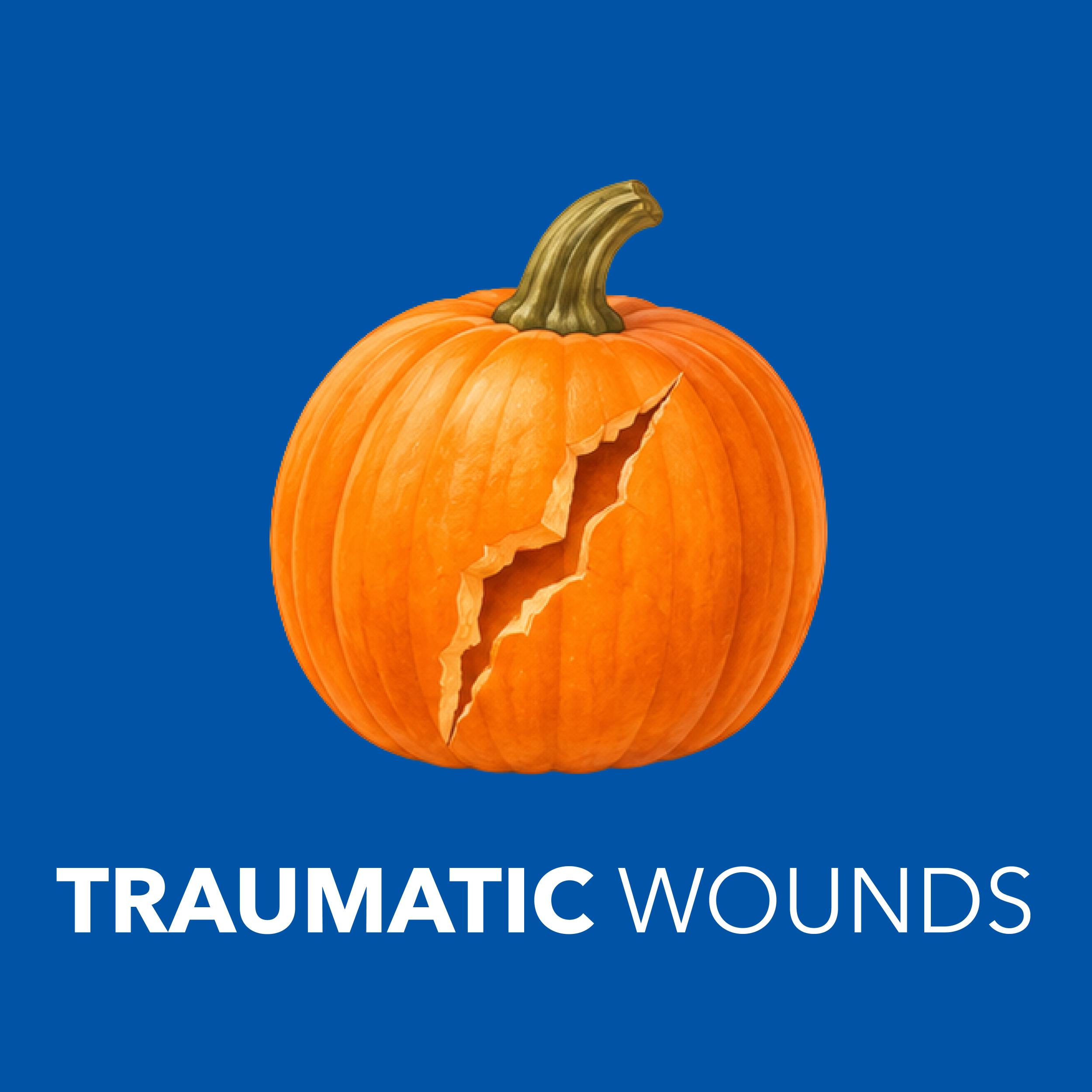
Cuts, scrapes, punctures and other injuries can happen unexpectedly! While many minor wounds heal on their own, some injuries require specialized care.
Traumatic wounds occur when an external force damages the skin or underlying tissue. They can result from accidents, falls, punctures, lacerations or other injuries.
What do they look like? Traumatic wounds can vary considerably. They may appear as superficial scrapes with missing or damaged skin, linear cuts with separated edges, puncture holes or larger open wounds. Some injuries may also involve bruising, swelling, tissue damage or exposed underlying structures.
People with diabetes, poor circulation or other conditions affecting healing may be more likely to experience complications.
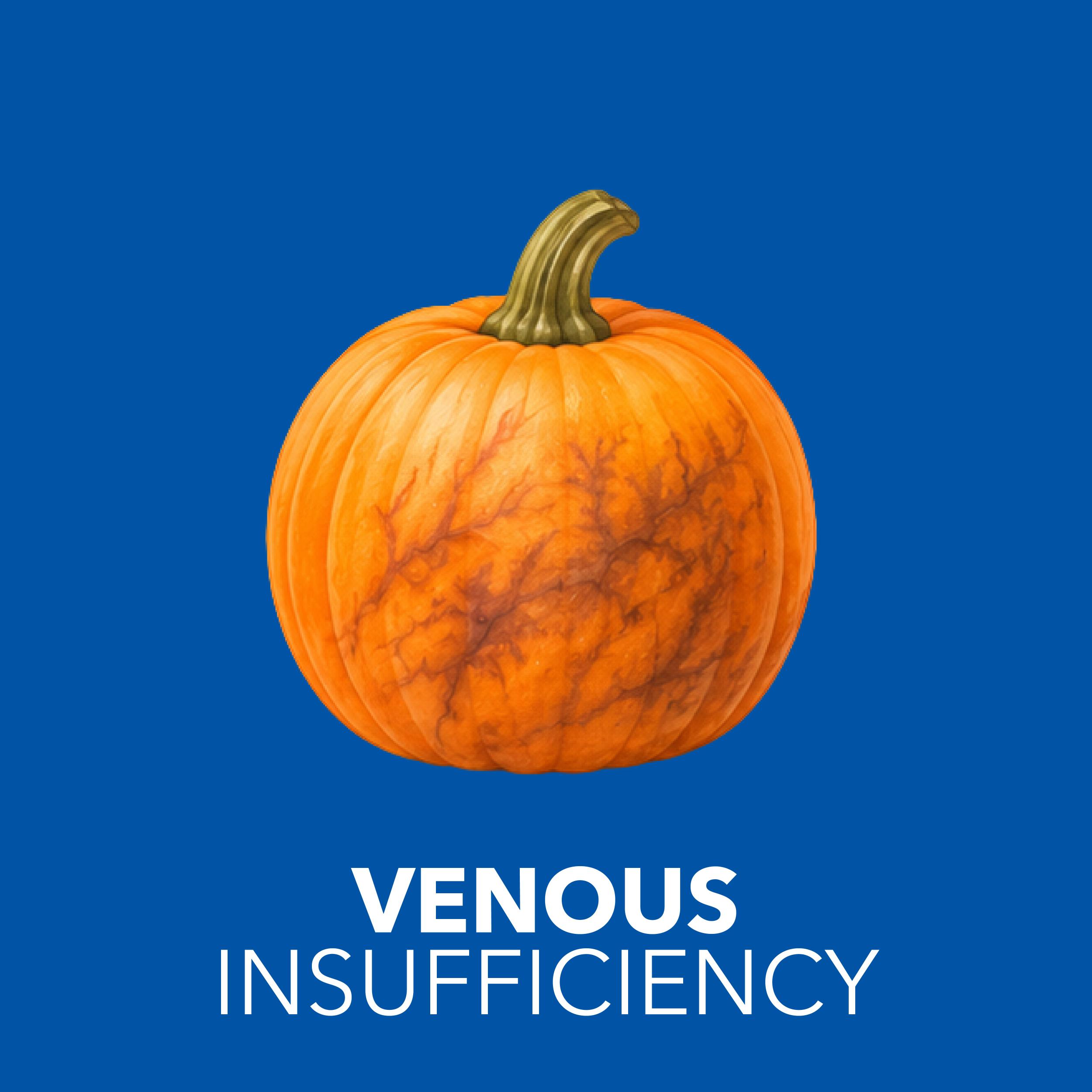
Persistent swelling, aching and skin changes in your lower legs could be signs of chronic venous insufficiency.
This condition occurs when the veins in the legs have difficulty returning blood to the heart. Increased pressure in the veins can contribute to swelling, skin changes and venous ulcers, which commonly develop around the ankles and lower legs.
What do they look like? Venous ulcers often appear as shallow, open sores with irregular or uneven edges. The wound bed may look red or pink and can have yellow tissue or drainage. Surrounding skin may appear swollen, reddish-brown or darker than usual and may feel thick, tight or itchy.
These wounds can take a long time to heal without appropriate treatment!

Sometimes, a wound develops without you even realizing it.
Neuropathy, or nerve damage, can reduce sensation in the feet and other areas of the body. Without normal sensation, injuries, blisters and pressure points may go unnoticed and develop into ulcers.
Diabetes is one of the leading causes of peripheral neuropathy, making routine foot inspections especially important for people living with the condition.
What do they look like? Neuropathic ulcers commonly develop on the bottom of the feet, particularly beneath the toes, ball of the foot or heel. They may appear as round, open sores with well-defined edges and a thick ring of hardened skin or callus surrounding the wound. The wound bed may appear red or pink, and some ulcers extend deeper into the tissue.
Because nerve damage can reduce pain sensation, these wounds may develop without causing significant discomfort.
Make foot checks part of your daily routine. Look for blisters, cuts, calluses, redness, swelling or other changes, and seek medical attention for any non-healing wounds.

Healthy blood circulation is essential for wound healing. When blood flow to an area of the body is significantly reduced, the skin and underlying tissue may not receive the oxygen and nutrients they need. This can lead to ischemic ulcers, which often develop on the feet, toes, heels and lower legs. People with peripheral artery disease, diabetes or other conditions affecting circulation may be at increased risk.
What do they look like? Ischemic ulcers often appear as deep, round sores with sharply defined edges, sometimes described as having a punched-out appearance. The wound bed may look pale, yellow, dark red or black, and the surrounding skin may appear shiny, thin, dry or hairless. The affected area may also feel cool to the touch.
These wounds can be painful and difficult to heal without addressing the underlying circulation problem.
Don't overlook wounds accompanied by cold skin, discoloration or persistent pain. Early evaluation is important when circulation problems are suspected.
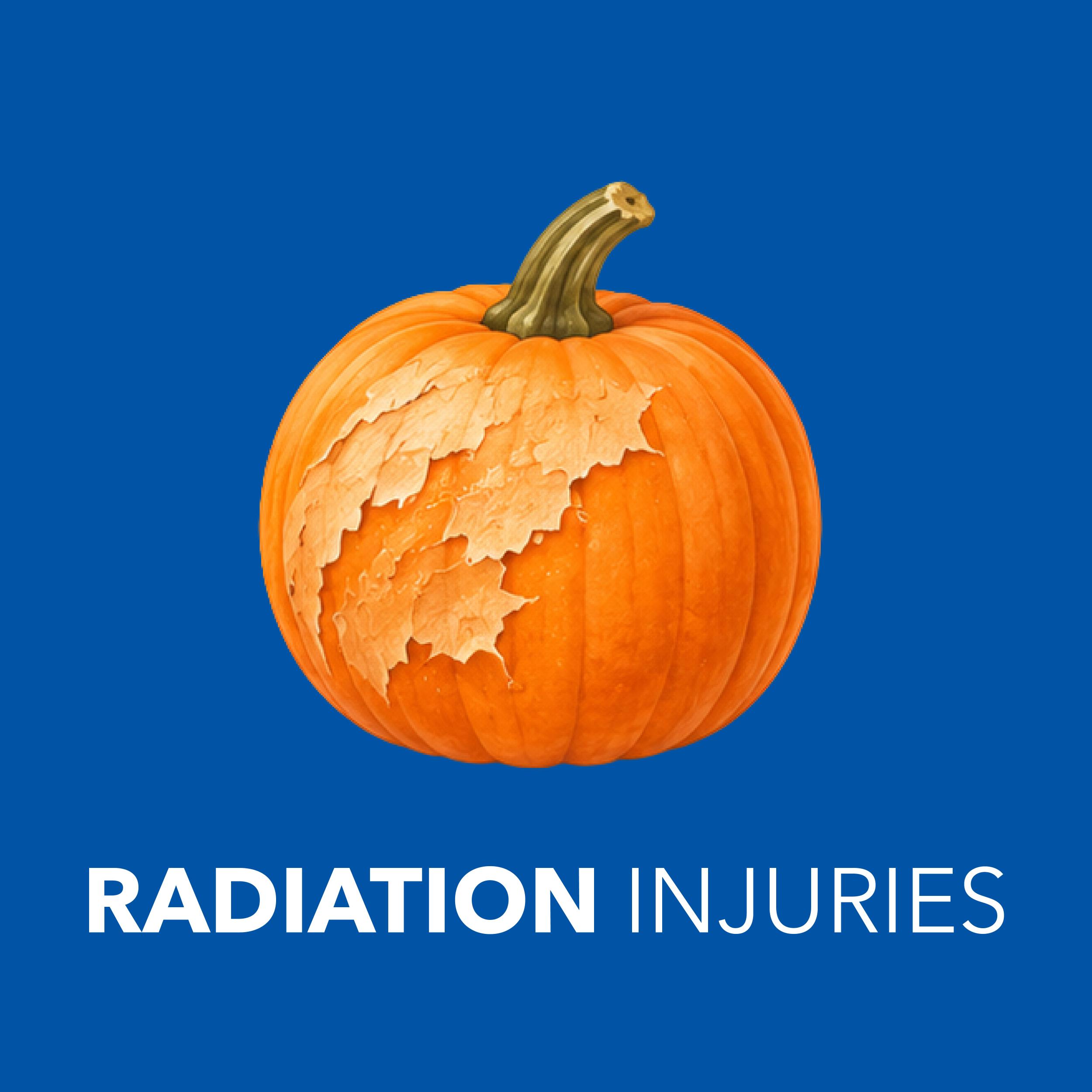
Radiation therapy is an important part of cancer treatment, but its effects on healthy tissue may not become apparent until months or even years after treatment.
It can damage blood vessels and surrounding tissue, reducing the oxygen supply needed for healthy tissue function and healing. These delayed effects may occur in areas such as the head and neck, breast or chest wall, bladder and rectum.
What do they look like? Radiation-related tissue damage may cause chronic pain, non-healing wounds, unexpected bleeding or tissue that becomes unusually hard, thickened or scarred (fibrosis). Unlike some other wounds, radiation injuries aren't always visible on the skin.
Hyperbaric oxygen therapy is the only method of improving the quality of the tissue that has been damaged by radiation.

Burns can damage the skin and underlying tissue, and their severity can vary depending on the depth, size and location of the injury. They may result from heat, chemicals, electricity, friction or radiation.
What do they look like? Burn injuries can have several different appearances. Superficial burns may cause red, dry skin without blisters. More extensive burns may produce fluid-filled blisters, swelling and moist, pink or red areas. Deeper burns can appear white, mottled, brown or black, with skin that looks dry, thick or leathery.
The depth of a burn doesn't always correspond to how painful it feels. Some severe burns can damage nerve endings and cause reduced sensation.
Proper evaluation and treatment are important for burn recovery.
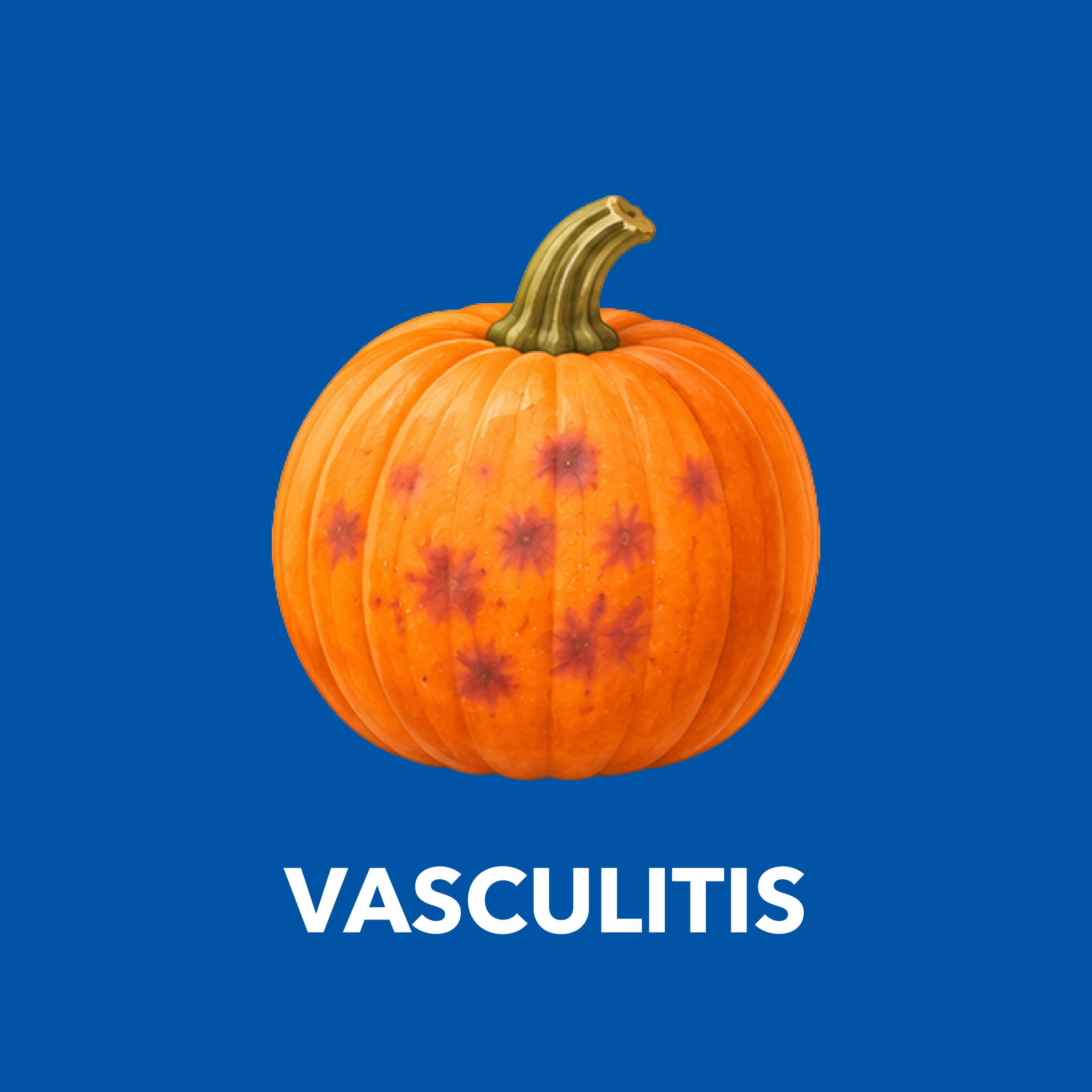
Not all chronic wounds are caused by injuries, pressure or poor circulation. Certain inflammatory conditions can cause damage to the skin and underlying tissue, resulting in difficult-to-heal wounds.
Vasculitis, for example, involves inflammation of blood vessels that can interfere with normal blood flow and damage surrounding tissue.
What do they look like? Inflammatory skin conditions can produce a variety of changes. Vasculitis may initially appear as clusters of small red or purple spots, raised patches or bruise-like areas, particularly on the lower legs. In more severe cases, these areas can develop into blisters, open sores or ulcers with darkened or damaged tissue.
Other inflammatory conditions may cause painful ulcers with irregular, sometimes undermined edges and surrounding skin discoloration.
Because these conditions can have different underlying causes, identifying the source of the inflammation is an important part of treatment.
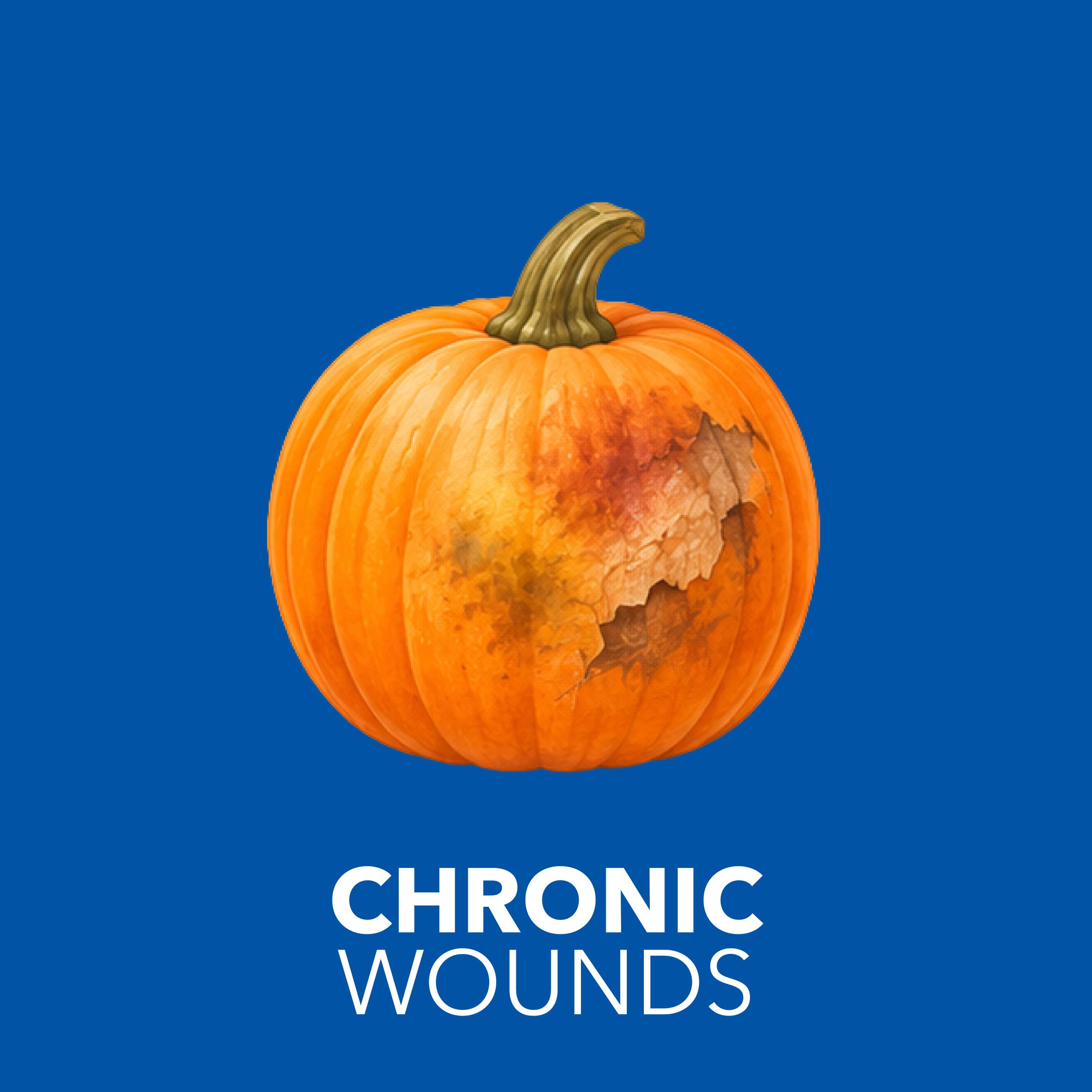
A wound that doesn't heal can affect much more than your skin. It can interfere with daily activities, cause discomfort and increase the risk of complications.
Chronic wounds may develop for many reasons, including diabetes, poor circulation, infection, underlying medical conditions or impaired healing.
What do they look like? Chronic wounds don't have one specific appearance. They may look like persistent open sores, areas of skin breakdown, wounds with irregular edges or injuries that repeatedly reopen. The wound bed may contain red or pink tissue, yellow tissue or dark areas of damaged tissue. Some wounds may have persistent drainage, surrounding redness, swelling or changes in skin texture.
If a wound continues to reopen, drain, change in appearance or show little improvement, it’s time to seek specialized wound care.